

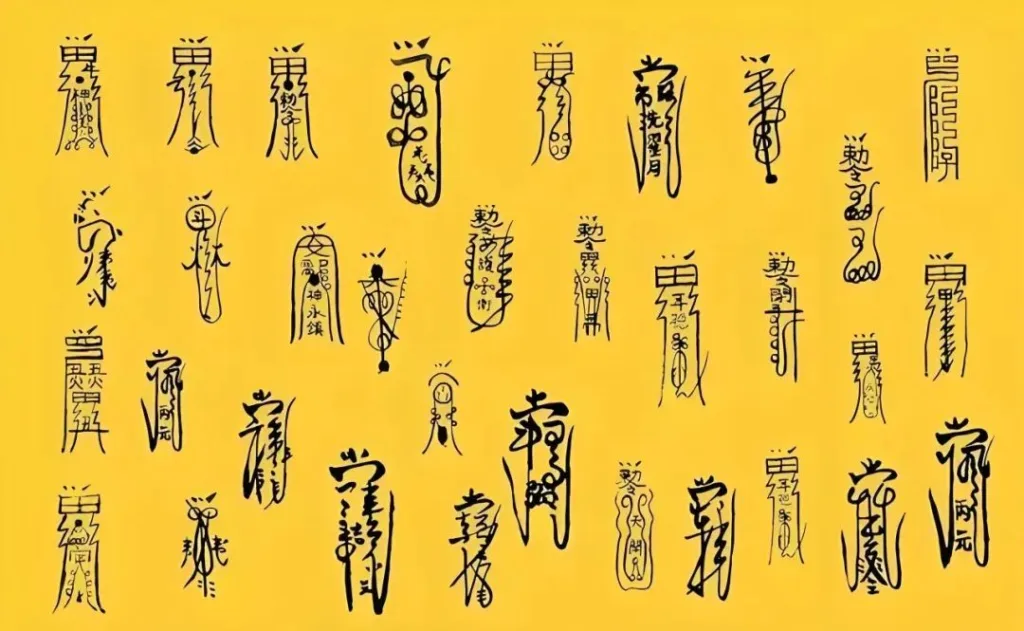
A History of Taoist Talismans (Fu and Lu): Origins, Lineages, Ritual Uses, and the Development of Zhengyi Practices
Over centuries of ritual practice, Taoism developed an extensive and sophisticated system of talismans and registers known as fu and lu. Talismans (fu)—sometimes called divine symbols, secret talismans, Daoist sigils, or incantation seals—were widely used to summon spirits, dispel harmful energies, and provide spiritual protection. In folk shamanism, they were known as wu talismans. Taoist registers (lu), sometimes called precious registers or ritual registers, served as official documents that verified membership in a Taoist lineage and granted authority to perform sacred rites.
The roots of Taoist talisman culture reach back to early human worship of natural deities. By the Eastern Han dynasty, talismans had already formed an organized system. Historical sources such as the Book of the Later Han describe practitioners like Qu Shengqing, who could create cinnabar-script talismans used to command or punish ghosts and spirits. They also recount how Fei Changfang received a powerful talisman from Hu Gong, enabling him to cure disease and control spirits—until losing it, which led to his death at the hands of the ghosts.
During the Eastern Han, talisman water became a popular healing method. Zhang Ling and early Celestial Masters used talismans to treat illness and exorcise malevolent forces, practices later preserved by the Zhengyi tradition.
From the Wei–Jin period onward, Daoist texts began linking talismans to qi theory, teaching that talismans were formed from celestial vapors and written by the heavens themselves.
By the Sui and Tang dynasties, talismans had become essential tools for Daoist priests in healing, exorcism, and disaster prevention.
In the Southern Song, the Southern School of Daoism integrated internal alchemy with talismanic ritual, establishing the principle: “Internally refine the elixir; externally apply the methods.”
Later, the 30th Celestial Master of the Zhengyi school introduced the influential Shenxiao Thunder Rites, which filled a gap in the traditional Zhengyi talismanic system by incorporating powerful thunder magic.
The Deep Connection Between Taoist Talismans and Ancient Chinese Calligraphy
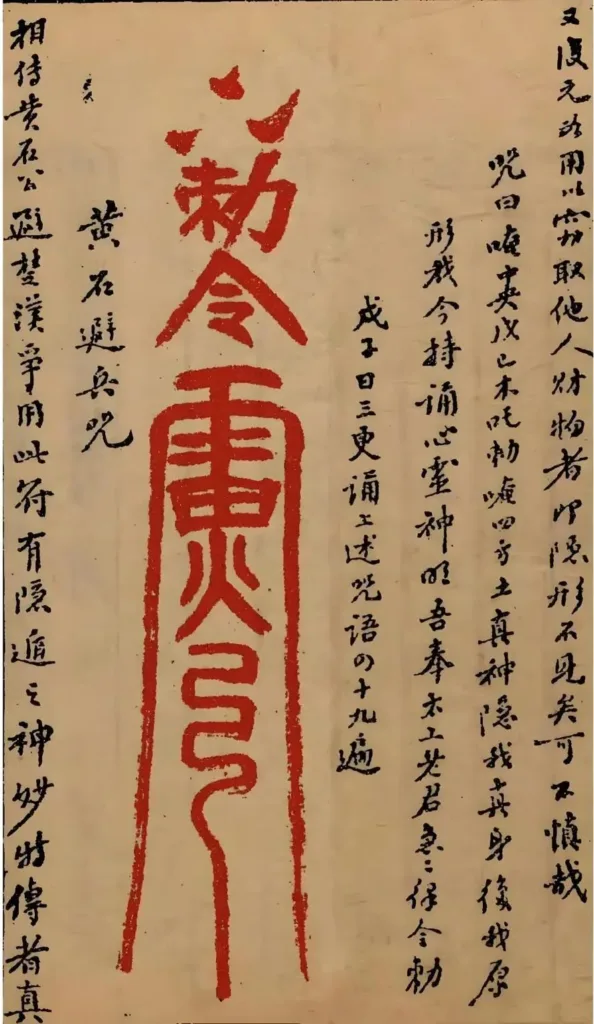
Taoist talismans (fu lu) are deeply intertwined with the origins of ancient Chinese writing. As a unique form of abstract calligraphic art, their line structures reveal both the aesthetics of early Chinese script and the way ancient practitioners used dots and strokes to express inner emotion and emerging artistic ideas.
The origins of the fu can be traced to the legendary “cloud script.” According to tradition, the Yellow Emperor created this script by imitating the shifting forms of clouds—clouds that were believed to transform like dragons, while strong winds moved with the power of tigers. Cloud script was thus conceived as a visual imitation of natural movement.
In Taoism, zhuan (seal script) functions as a secret writing system used to record the names of celestial officials and spirits. Its writing style is closely related to that of talismans. From an artistic and psychological viewpoint, creating a talisman requires the practitioner to enter a focused and tranquil state: withdrawing the senses, concentrating the mind, maintaining sincerity, and letting the intention flow through the brush in one continuous breath.
This meditative mindset parallels the inner mental state sought by many ancient Chinese calligraphers, whose brushwork also depended on stillness, clarity, and unified intention.
The Artistic Connection Between Taoist Talismans and Chinese Seal Carving
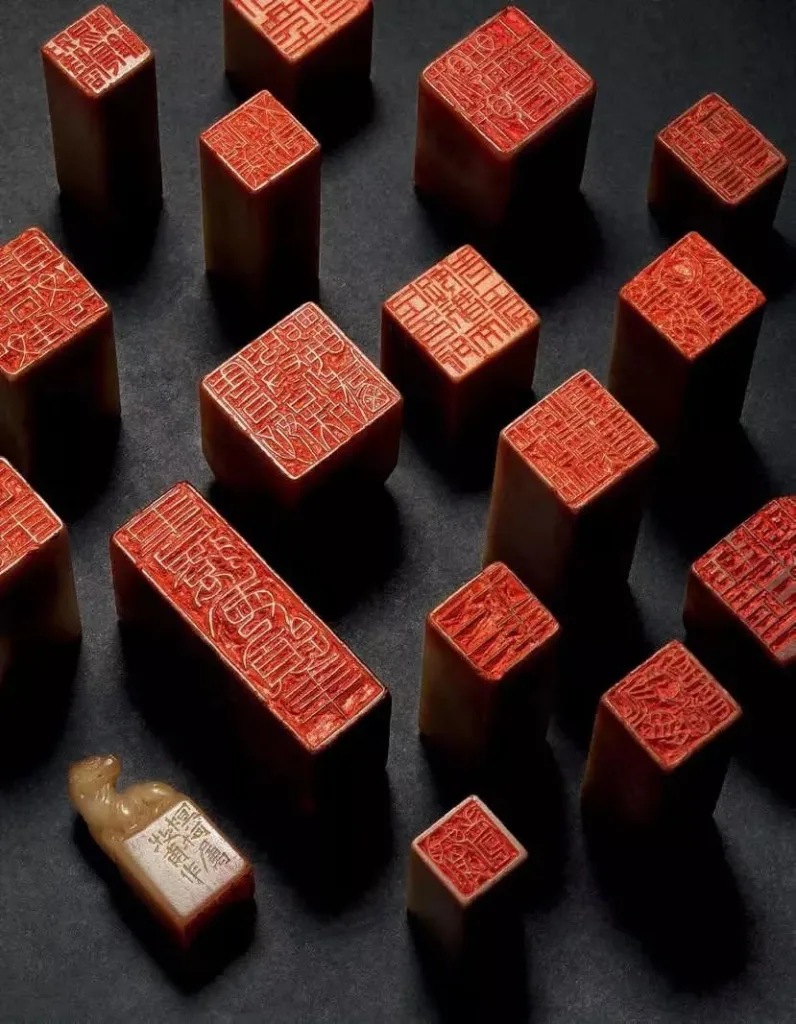
Taoist talismans (fu lu) and traditional Chinese seal carving (zhuanke) share striking artistic similarities. Seal carving requires careful arrangement—balancing open and dense spaces, thick and thin lines, light and heavy strokes, natural adjustments, flowing movements, reciprocal spacing, rhythmic rises and falls, and orderly composition.
These same principles are applied when creating Taoist talismans. For instance, “talisman seals” often feature interwoven black and white dots and intersecting curved and straight lines, symbolizing the harmony of water and fire, yin and yang. In turn, Taoist talismans have influenced metal and stone seal carving, leaving recognizable talismanic patterns within the art.
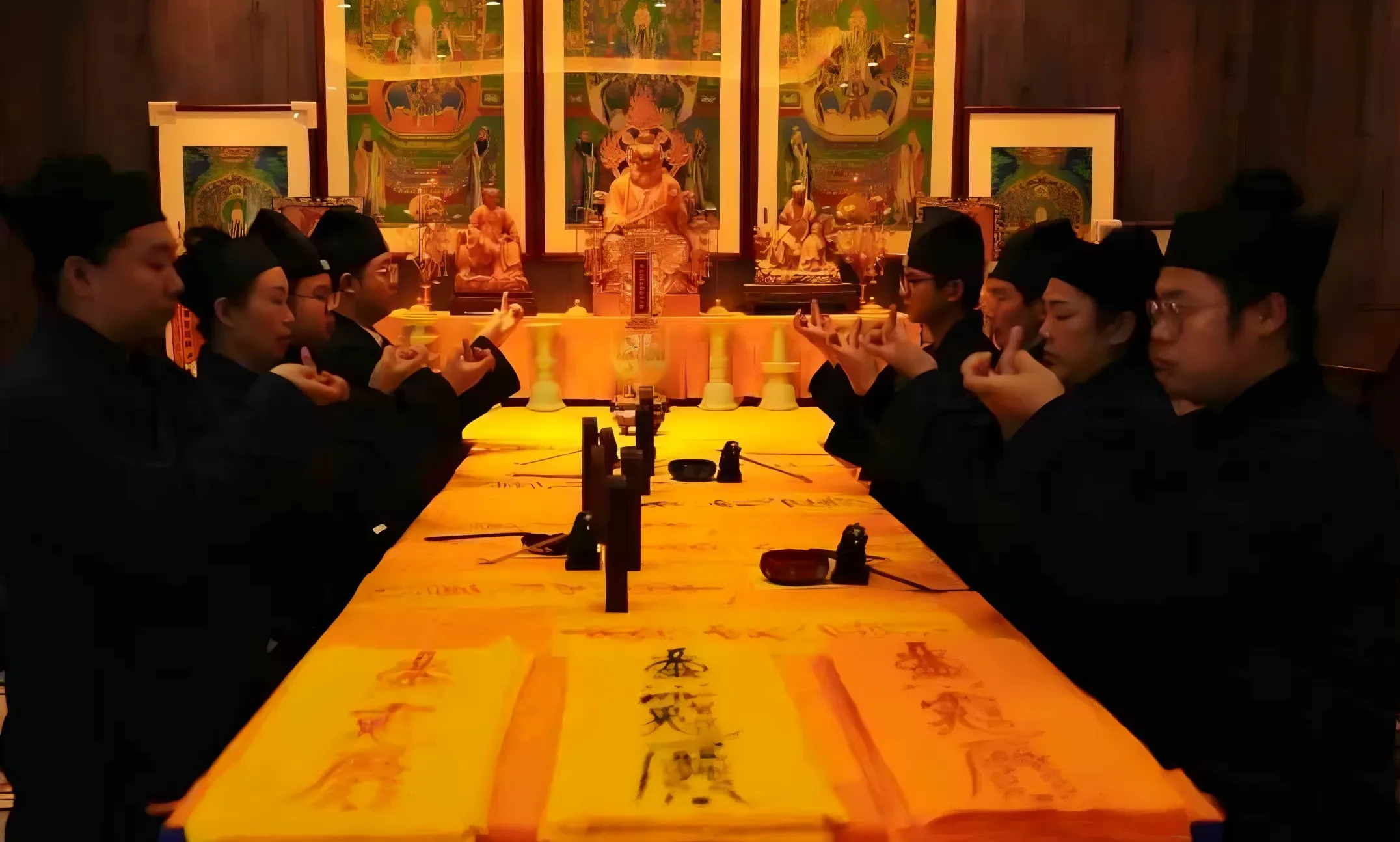
Importantly, the creation of talismans is a disciplined practice, requiring a lu master or a Taoist priest with proper lineage and internal cultivation. This ensures both the ritual efficacy and the artistic integrity of the talisman.
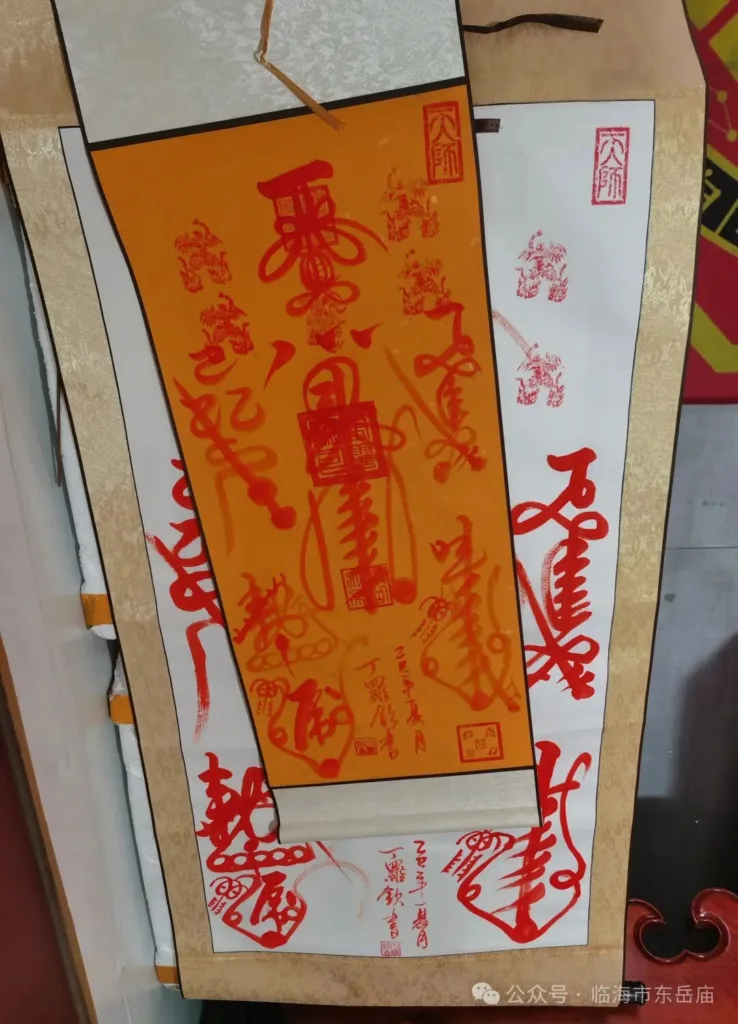
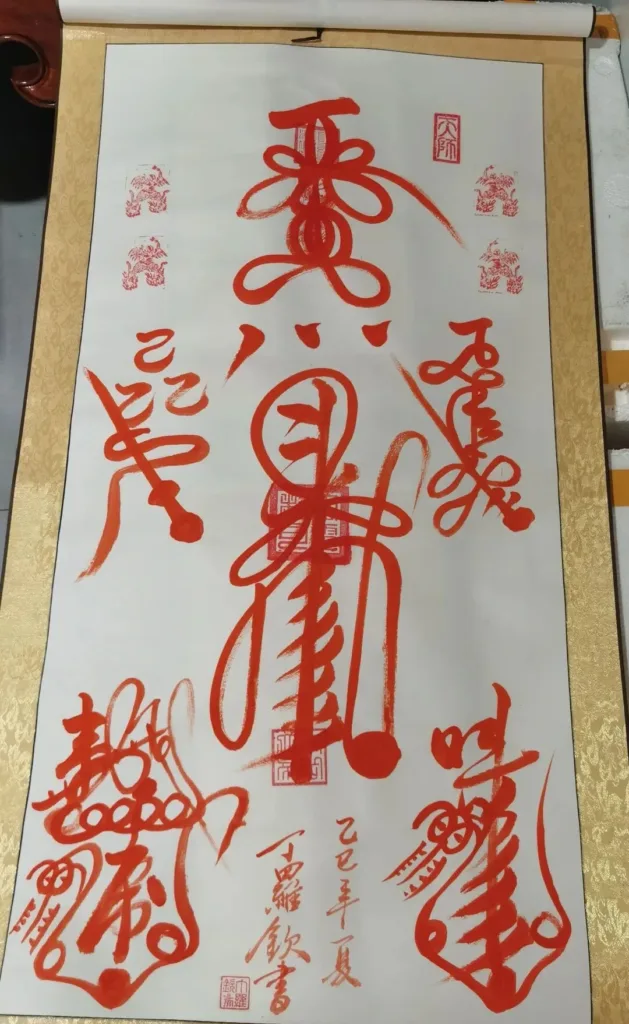
The Five Thunder Talisman (Wu Lei Fu) is a classic Taoist talisman renowned for its spiritual powers. Traditionally, it is used to protect homes, drive away negative energies, attract wealth and good fortune, remove obstacles, and safeguard personal well-being. The talisman’s protective power comes from the combined forces of the five marshals of the Thunder Division, creating a comprehensive, multidimensional system of spiritual defense.
Related products
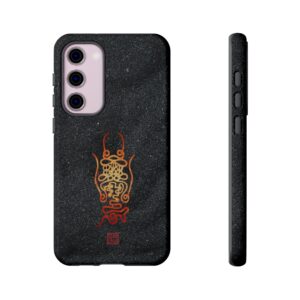
Android Phone Case Featuring Taoist Big Dipper True Lord’s Misfortune-Dispelling & Destiny-Transforming Talisman
$25.75Android Phone Case Featuring Taoist Demon-Subduing Treasure Talisman
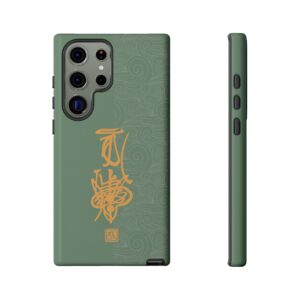
$25.75Android Phone Case Featuring Taoist Hundred Resolutions Calamity-Dispelling Talisman
$25.75Android Phone Case Featuring Taoist Misfortune-Dispelling & Destiny-Transforming Talisman
$25.75


Can Taoist Priests Without Lu Transmission Write Talismans? Understanding Efficacy and Tradition
In Taoism, talismans (fu) are generally written rather than drawn. Writing talismans is a sacred practice that channels spiritual power from ancestral masters to subdue evil, protect individuals, cure illness, and bring blessings.
A Taoist priest without lu transmission can physically write talismans, but these talismans may lack real spiritual power or have reduced efficacy. Talismans consist of three parts—the head, body, and foot—arranged according to specific sect traditions.
The Importance of Lu Transmission
Lu transmission is a crucial ritual that empowers Taoist priests, allowing them to access the ancestral masters’ spiritual energy. It also serves as lineage confirmation, granting the priest the authority to write talismans. Talismans created by transmitted priests are considered fully empowered and effective.
Talismans Written Without Transmission
Talismans written by priests without lu are usually regarded as artworks or ordinary objects. In rare cases, highly cultivated practitioners or descendants of Taoist families may produce talismans with partial efficacy, but this requires significant internal practice and lineage knowledge.
Conclusion
While any Taoist priest may write talismans, the spiritual potency depends on proper lu transmission and training. When using Taoist talismans, respect for tradition, ritual propriety, and the priest’s lineage are essential for their effective and safe use.