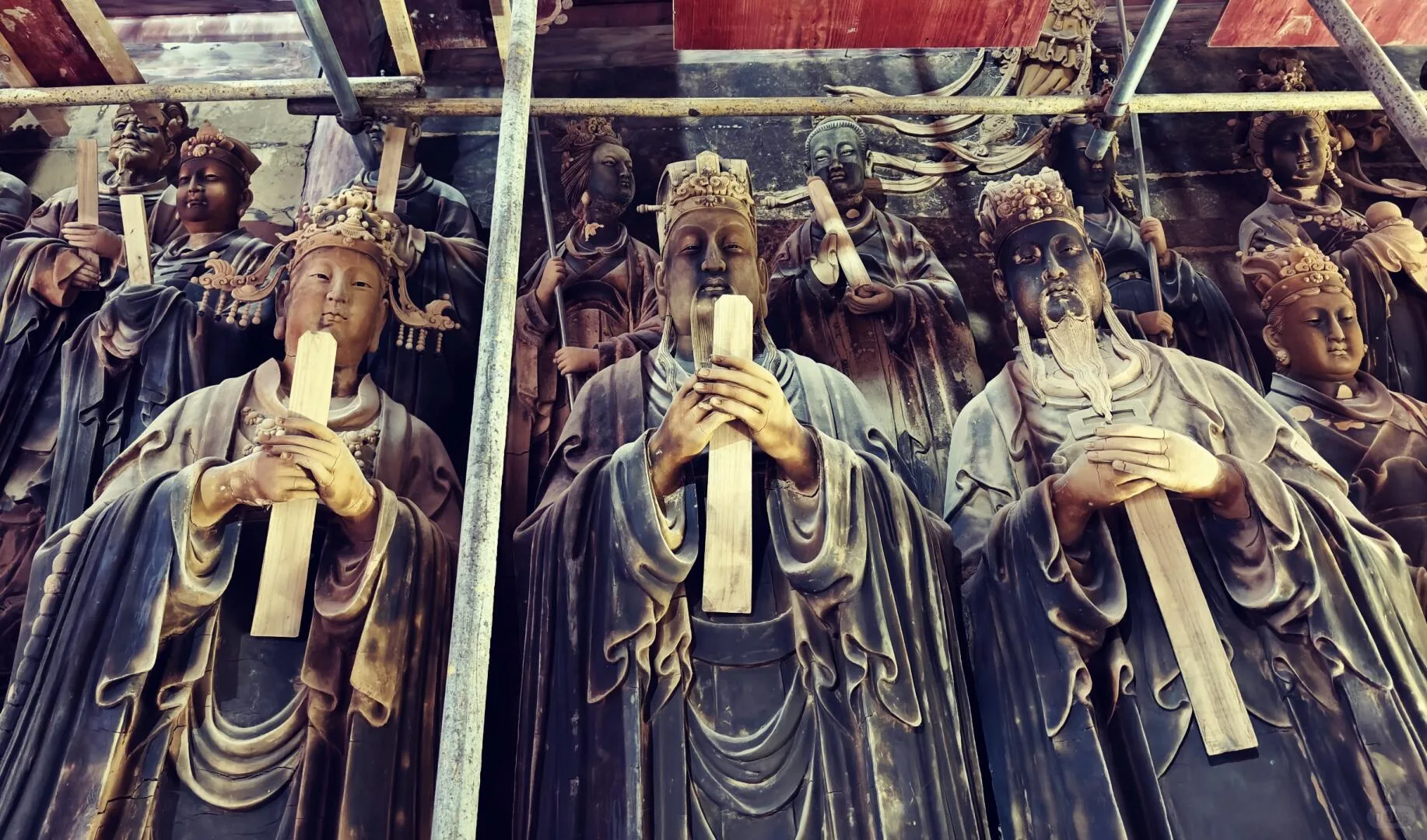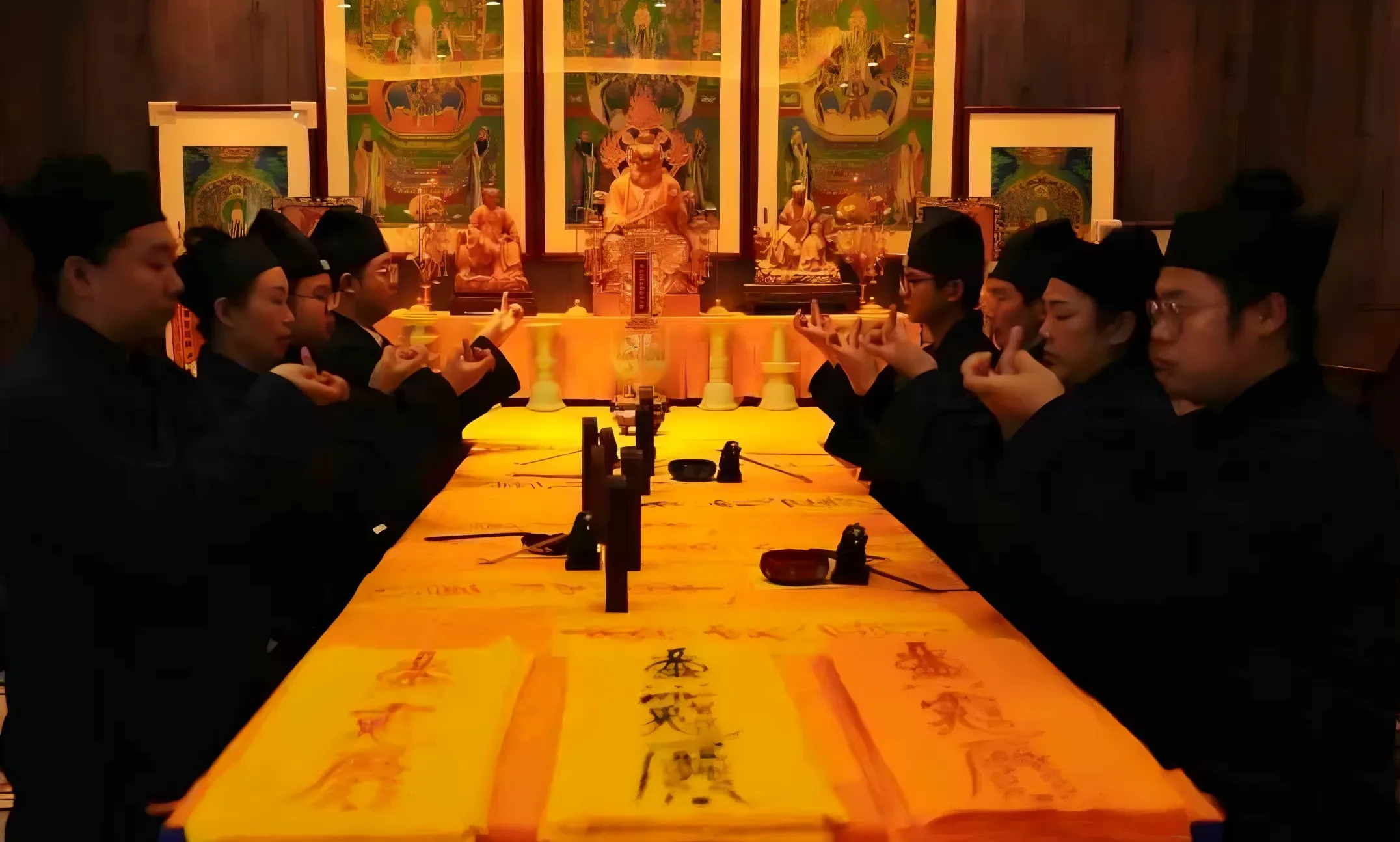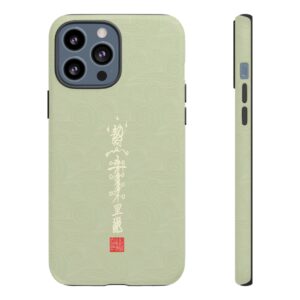


According to Zhang Jixian, the 30th Celestial Master of Zhengyi Taoism, authentic Taoist talismans are believed to connect Heaven, Earth, and the spiritual realm. These talismanic traditions are used to invoke protection, dispel misfortune, restore harmony, and safeguard both individuals and society—reflecting the profound cosmological role of Taoist ritual practice.
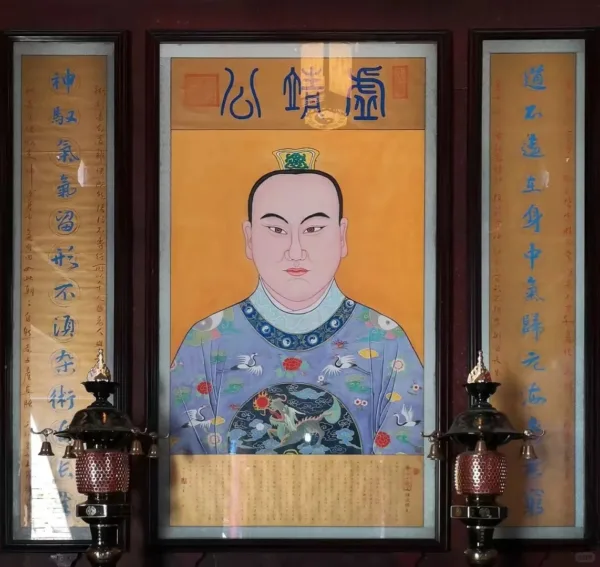
Since its origins, Taoism has centered its religious practice around talismans, ritual registers, purification rites, and ceremonial offerings. The Celestial Masters tradition is especially known for its talismanic system, which has been preserved for centuries due to its symbolic logic and philosophical foundation.
Rather than superstition, Taoist talismans function as symbolic languages that encode spiritual authority into structured signs and ritual scripts. Inscribed on materials such as paper, wood, or silk, these symbols serve as ritual commands used to restore balance, dispel negative influences, and harmonize the relationship between humans, nature, and the unseen world.
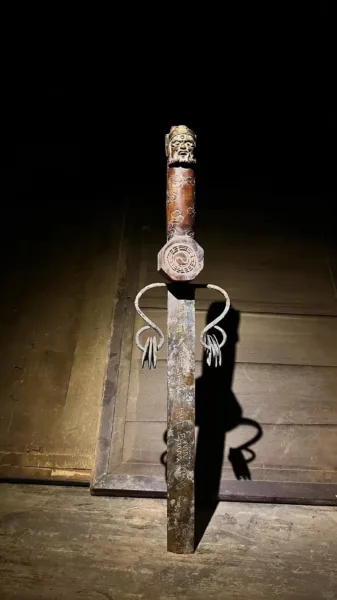
Ancient texts such as the Classic of Mountains and Seas trace the symbolic origins of talismans to early mythological concepts of protection, later influencing the ritual use of peach wood charms and symbolic inscriptions for warding off harm.
According to Xu Shen’s commentary on the Huainanzi, peach wood was believed to repel spirits, and early protective charms were created by inscribing prayers onto peach twigs. These objects represent the earliest form of Taoist talismans, combining symbolic material with written ritual language.
By uniting physical symbolism and sacred text, early Taoist talismans were believed to invoke protective deities, dispel negative forces, and safeguard human well-being. Modern Taoist ritual tools made of peach wood—such as spirit staffs and ritual seals—continue this ancient tradition rooted in early mythological concepts of spiritual protection.
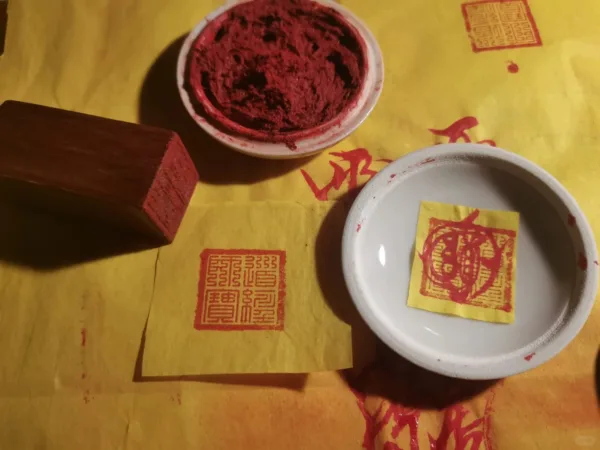
In ancient China, the concept of a “fu” originally symbolized imperial authority, functioning as a physical command token similar to the tiger tally. During the Han dynasty, this idea evolved within Taoist thought, influenced by astral beliefs and prophecy traditions.
Taoist practitioners believed that divine talismans existed in the celestial realm, revealed through cloud patterns or sacred script, and that these symbols could be transmitted to humans as ritual authority. This belief formed the foundation of Taoist talismanic culture, where symbols represent cosmic order rather than mere superstition.
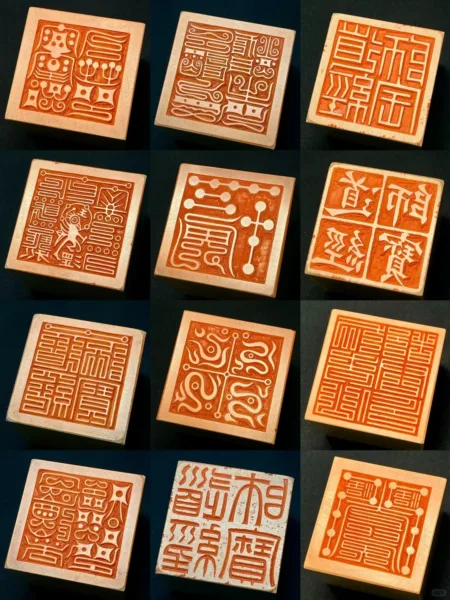
Historical records such as the Records of the Three Kingdoms note that Zhang Ling, founder of the Celestial Masters tradition, created early Taoist talismanic texts while cultivating the Dao at Heming Mountain. Taoist scriptures describe various divine talismans transmitted by Taishang Laojun, believed to offer protection from calamity and ward off negative spiritual forces.
During the Wei and Jin dynasties, Taoist talismans became more widely used and developed into a symbolic religious language. Their designs grew increasingly complex and abstract, reflecting their role as ritual tools for spiritual communication and cosmic order rather than ordinary written symbols.
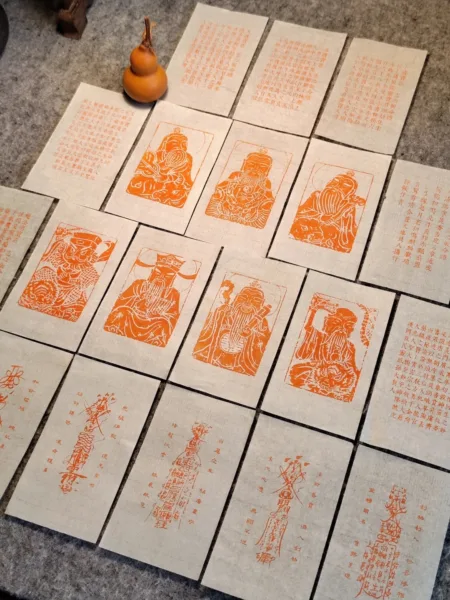
According to Zhang Jixian, the 30th Celestial Master of Zhengyi Taoism, Taoist talismanic registers represent a system of ritual authority capable of harmonizing Heaven, Earth, and the spiritual realm. Historically, these talismans were believed to protect individuals, dispel misfortune, and maintain social and cosmic order.
Due to their symbolic power and cultural significance, Taoist talismans were widely respected not only among the general population, but also by imperial courts from the Tang through the Qing dynasties.
During the Yuan dynasty, the imperial court formally recognized the authority of Taoist Celestial Master talismans by issuing the Ming Pushi edict to their descendants. This decree established the official status of talismans in religious and healing practices.
Zhu Yuanzhang, later the founding emperor of the Ming dynasty, had already mandated the use of talisman-infused water (fu-shui) for healing while he was still King of Wu. Talisman water was believed to embody the divine power of celestial deities, helping people to ward off disease and misfortune.
To ensure the authenticity and unique authority of Celestial Master talismans, successive Ming emperors—including Taizu, Yingzong, and Xianzong—issued strict decrees against the unauthorized production of counterfeit talismans.
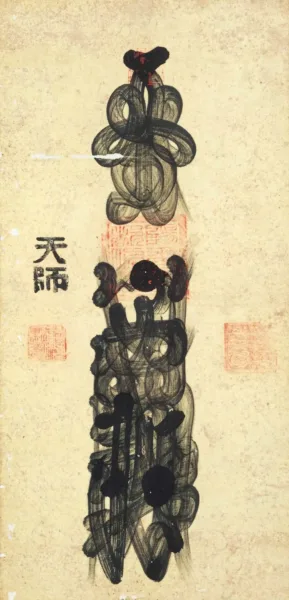
Related products
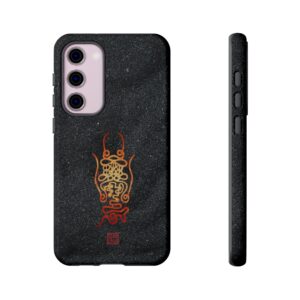
Android Phone Case Featuring Taoist Demon-Subduing Treasure Talisman
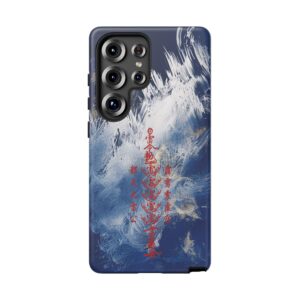
$25.75Android Phone Case Featuring Taoist Five Thunder Talisman
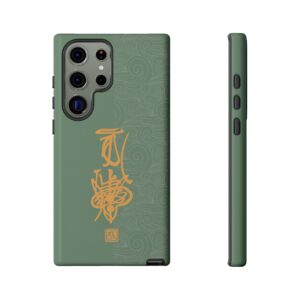
$25.75Android Phone Case Featuring Taoist Hundred Resolutions Calamity-Dispelling Talisman
$25.75Android Phone Case Featuring Taoist Misfortune-Dispelling & Destiny-Transforming Talisman
$25.75