

Introduction to Taoist Talismans and Spells
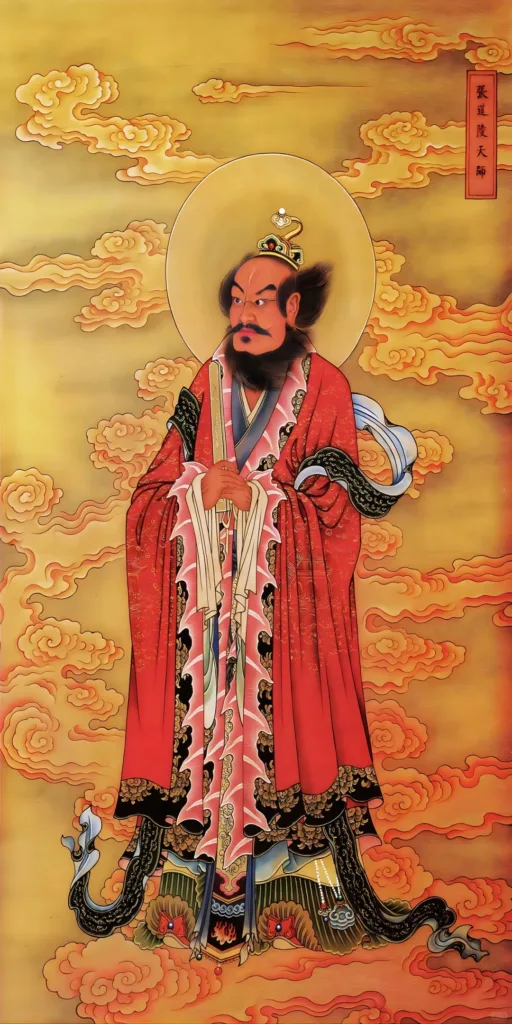
Taoist fu (符, talismans) and zhao (咒, spells) are fundamental tools used in Taoist practice for spiritual communication, healing, protection, and self-cultivation. These mystical objects and incantations have been passed down through centuries, originating from ancient shamanic rituals performed by early Chinese priests and spiritual practitioners. Their widespread usage blossomed during the Eastern Han Dynasty, becoming essential elements of Taoist religious ceremonies and personal cultivation.

What Are Taoist Fu 符(Talismans)?
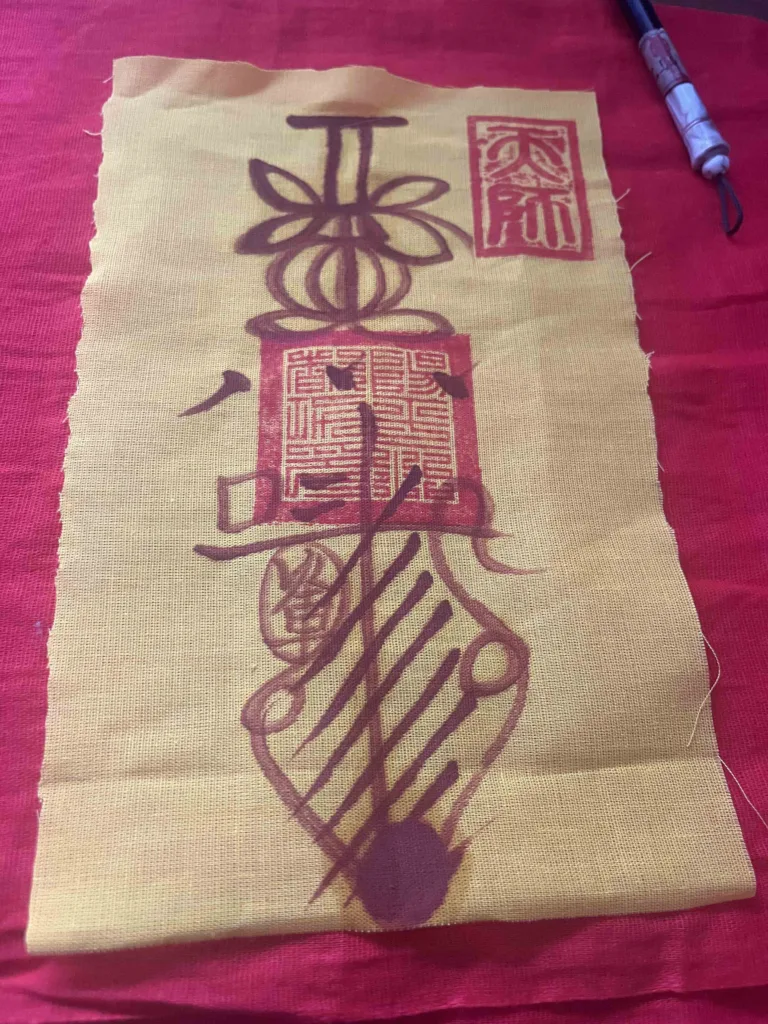
Taoist fu are symbolic drawings made with vermilion or ink, crafted with a combination of dots, lines, and images. These symbols are not ordinary characters but are imbued with deep esoteric meanings, representing divine forces, cosmic principles, or spiritual energies. The fu are believed to possess magical powers such as commanding spirits, exorcising demons, curing illnesses, and warding off misfortune.
Characteristics of Taoist Talismans:
- Often painted on yellow or red paper, silk, or carved into stone or metal objects.
- Incorporate curved strokes, geometric shapes, and symbols that are difficult for outsiders to interpret.
- Used in rituals, worn as amulets, or placed in homes and temples for protection and blessing.
The Nature and Function of Taoist Spells (咒)
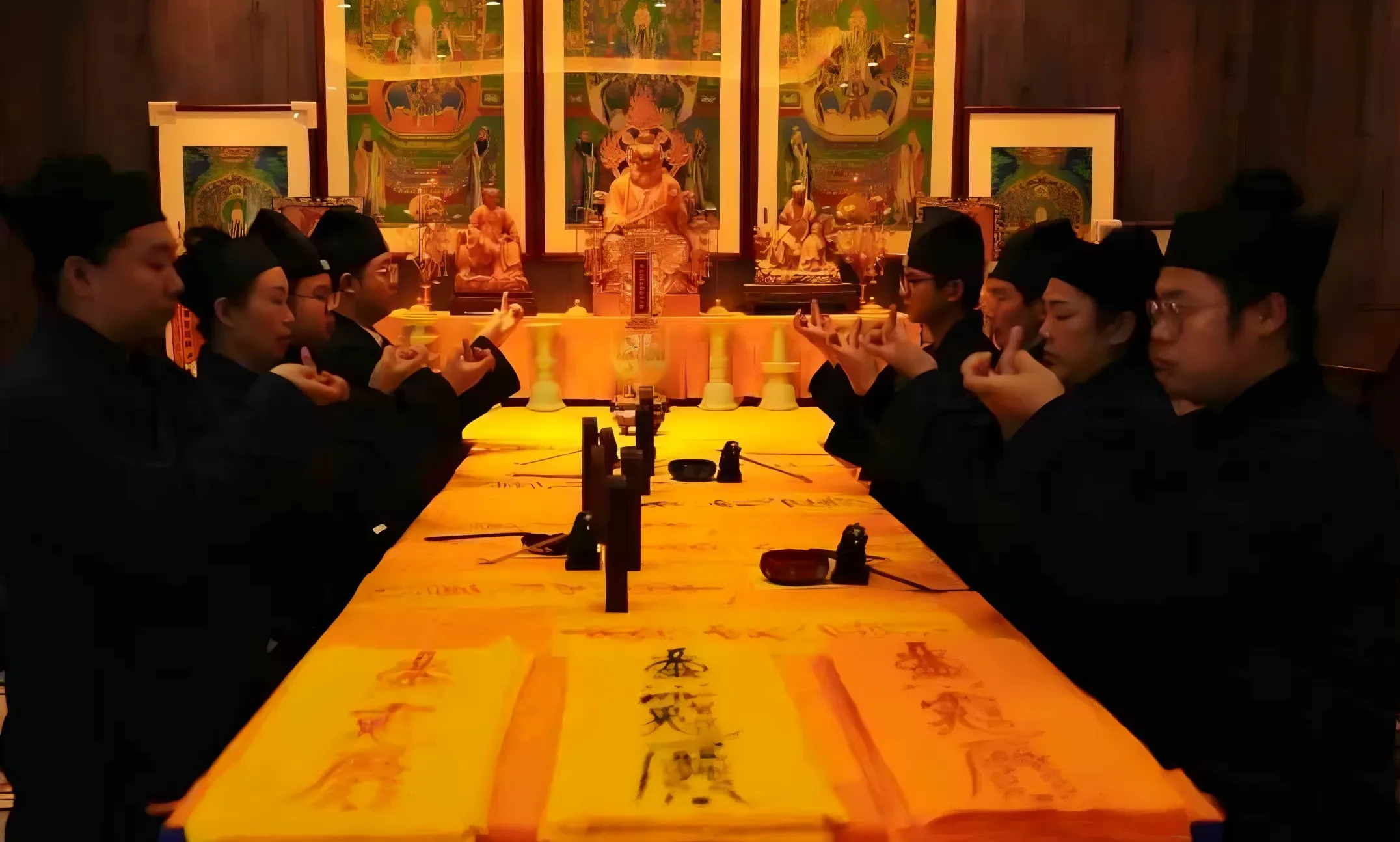
Taoist spells (咒)or zhou (咒)are incantations spoken aloud with specific tonal patterns and rhythmic intonations. They serve as a means to invoke divine power, communicate with spirits, and activate the mystical properties of fu. The recitation of spells requires sincerity, concentration, and faith, and when combined with the visual power of symbols, they can achieve effects such as healing, exorcism, or blessings.
Key Functions of Taoist Spells:
- Healing: Recited to cure illnesses or remove curses.
- Protection: Used to ward off evil spirits, ghosts, or disasters.
- Exorcism: Drive away malicious spirits or demons threatening individuals or households.
- Blessings and Prosperity: Invoke divine favor for wealth, success, and peace.
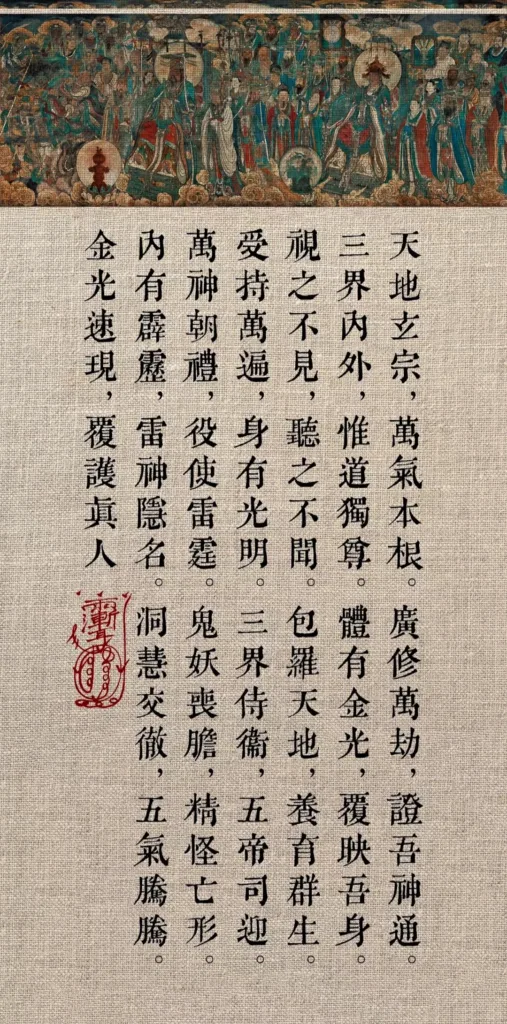
The Relationship Between Fu(符) and Zhou(咒)
In Taoist practice, fu and zhao are deeply interconnected. Symbols can be transformed into spells through recitation, and spells can be visualized as symbols when written or drawn. When a Taoist priest draws a fu and recites its associated zhao, they are activating divine energies to manifest specific outcomes. This fluid interchangeability underscores the esoteric philosophy that symbols and words are two expressions of the same spiritual force.
- Mental Visualization (Cunxiang):
A practice where practitioners focus their mind’s eye on divine images, symbols, or cosmic patterns to influence spiritual energies. This technique is integral to rituals, meditation, and spellcasting, and is believed to reinforce the effectiveness of the magic. - The Power of Qi (Vital Energy):
Taoist magic emphasizes the harnessing and directing of qi—the life force or energy present in all things—to achieve spiritual or physical transformations. The proper recitation, drawing, or placement of fu, combined with sincere cunxiang, amplifies this energy.
Origins of Taoist Fu(符) and Zhou(咒)
Taoist fu and zhao are expressions of spiritual philosophy, representing the highest form of mental and spiritual art—an inner cultivation of the mind and soul. Their roots trace back to ancient Chinese shamanic practices performed by wu (巫) priests, who communicated with spirits through symbolic objects and chants.
During the Han Dynasty, these practices became formalized within Taoist religious texts, especially within the Daozang (Taoist Canon). Taoist fu and zhao are considered to contain Yi-based (易, Book of Changes) principles, reflecting the universe’s dynamic harmony.
Famous Saying:
“Those who understand symbols thoroughly can astonish spirits; those who do not will invite their laughter.”
Practitioners’ Intent:
The potency of Taoist magic depends on the practitioner’s sincerity and intent. The recitation of zhao must be heartfelt, and the drawing of fu must be precise, embodying the practitioner’s spiritual focus and devotion to divine forces.
The Meaning of Dao (The Way) in Taoism
In Taoism, Dao (道) is a profound concept with multiple layers of meaning:
- The Process:
Dao is an ongoing, cyclical process that underpins the universe. Laozi famously states, “The Dao gives birth to One; One gives birth to Two; Two gives birth to Three; and Three gives birth to all things.” This describes the continuous transformation from the unity of Dao into the diversity of phenomena, and back again. - The Origin:
Dao is the primal source of all existence. It is beyond form, name, or description—”nameless and formless”—yet it is the root of everything, the mother of all creation. Laozi describes it as “the mysterious, profound, and wondrous gate of heaven and earth.” - The Cosmic Law:
Dao governs the natural order—the inherent laws of change, growth, and decay that operate without effort or force (wu wei). It is invisible yet omnipresent, shaping the flow of life and the universe. - The Ethical and Moral Principle:
Dao also embodies the highest virtues—truth, compassion, humility, and simplicity. Practicing according to Dao involves aligning one’s actions with these virtues, living harmoniously with nature, and cultivating inner peace.
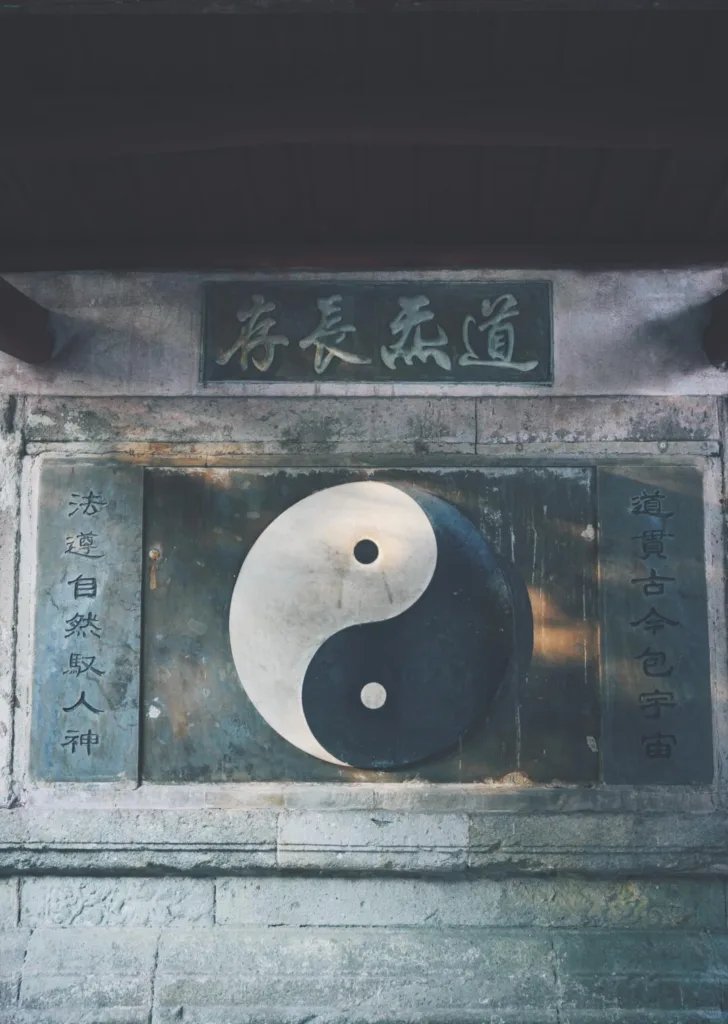
The Practice of Taoist Cultivation
Achieving harmony with Dao involves self-cultivation, which includes meditation, ritual practice, and moral discipline. The process of cultivation emphasizes wu wei, non-attachment, and inner emptiness—concepts expressed vividly in Taoist classics like the Qingjing Jing (Pure Heart Sutra):
“Observe emptiness, and yet emptiness itself is empty; what is emptied is also without emptiness. There is nothing empty, and nothing without emptiness. All is tranquil, and tranquility itself is without disturbance.”
Letting Go and Inner Peace:
The core of Taoist cultivation is releasing desires, ego, and worldly attachments. When the mind is quiet, pure qi flows freely, and divine energies can be harnessed more effectively. This inner harmony is essential for the efficacy of fu and zhao.
Connecting with Divine Energy — The Role of Faith and Inner Purity
While Taoist fu and zhao are powerful tools, their true effectiveness depends on the practitioner’s inner state. Genuine faith involves a transformation from superficial belief to internal realization—embodying virtues like humility, compassion, and detachment.
- Pure Heart:
When one prays or performs rituals with sincerity and without selfish motives, divine energy responds more readily. This inner purity aligns the practitioner with the Dao, enabling divine protection, healing, and blessings. - Misuse of Magic:
Attempting to manipulate spirits for personal gain, greed, or revenge is considered a deviation from Taoist principles. Such actions attract negative consequences, as true divine protection comes from harmony within oneself and with nature.
Final Reflection: The True Power of Taoist Magic
Ultimately, Taoist fu and zhao are not merely magical objects or chants—they are expressions of the highest spiritual virtues and understanding of the universe. They serve as tools for aligning oneself with Dao, cultivating inner peace, and fostering harmony between humans and the divine.
The greatest protection and blessing come not from external magic but from inner cultivation—living in accordance with Dao, practicing virtue, and maintaining a sincere heart. When one achieves true harmony with the Dao, divine energies naturally flow, and the practitioner can manifest health, safety, and enlightenment.