



Core Elements of Zhengyi Daoist Culture: Talismans and Registers
Zhengyi Daoist culture is primarily built upon two foundational elements: Talismans (Fu) and Registers (Lu). Because of this, the Zhengyi school is often referred to as the Talisman and Register Tradition (Fulu School) within Daoism.
What Is “Lu” and Why Is It Essential in Zhengyi Daoism?
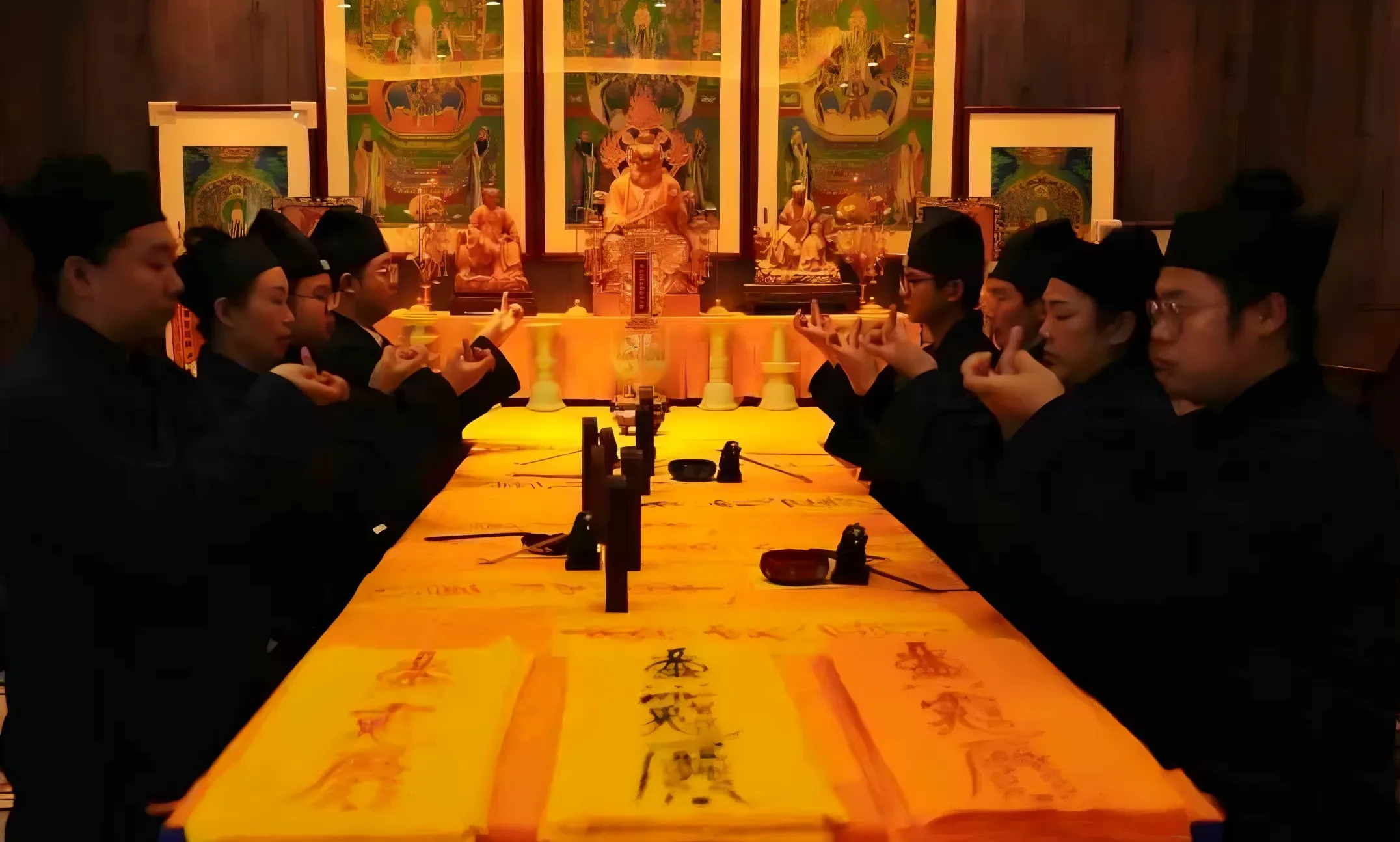
The bestowal of registers (Shou Lu) is a mandatory step for Zhengyi Daoist priests on their path of spiritual cultivation and entry into the Dao. It is a formal and traditional ritual system that defines the religious discipline of the Zhengyi school.
Daoist registers include several types, such as:
- Ritual Registers (Fa Lu)
- Scriptural Registers (Jing Lu)
- Direct Registers (Zhi Lu)
The Spiritual and Ethical Role of Daoist Registers
Through the bestowal of registers, a Zhengyi Daoist priest does more than simply receive an official credential or ritual authorization. The register serves as:
- A formal spiritual qualification to cultivate the Dao and perform rituals
- A moral and behavioral code that governs the priest’s conduct
Registers require Daoist practitioners to strictly observe Daoist ritual standards and ethical discipline. They encourage diligence in cultivation, continuous self-improvement, refinement of character, purity of mind and body, and the accumulation of merit through virtuous deeds.
Why Daoist Registers Matter
For Zhengyi Daoist priests, Daoist registers are an essential spiritual instrument. They are not merely symbolic documents, but powerful tools that guide practitioners in cultivating truth, practicing the Dao, and maintaining moral integrity throughout their spiritual journey.
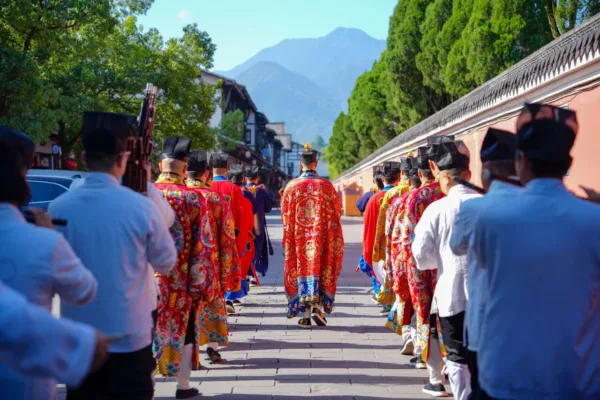
Within Daoist belief, the Lu represents a sacred credential—one that signifies a practitioner’s qualification to enter the Heavenly Court.
Daoist Registers (Lu): Nature, Ancestors, and Moral Discipline
Daoist Registers (Lu) are a core element of Daoism, rooted in ancient Chinese traditions that honor nature, Heaven and Earth, and ancestral spirits. After Zhang Daoling, the Celestial Master, formally established Daoism, these beliefs became central to Daoist doctrine. As a result, the bestowal of Daoist registers begins with two fundamental principles: reverence for nature and respect for ancestors.
Registers for the Living and the Deceased
In Daoism, registers are not limited to the living. They may also be granted to ancestors and deceased family members. Daoist belief holds that a Lu can help liberate ancestral souls from the underworld and guide them toward ascension in the Heavenly Court. This practice reflects Daoism’s emphasis on spiritual continuity across generations.
Scriptures and Registers: The Three Treasures
A key ritual in Zhengyi Daoist ordination is the transmission of scriptures and registers, symbolizing the Three Treasures of Daoism:
- The Dao
- The Scriptures (Jing)
- The Master (Shi)
Daoist scriptures form the foundation of Daoist faith. Traditionally, their transmission required strict purification, fasting, and precise hand-copying, with every character carefully verified. This process highlights the importance of purity and accuracy in preserving sacred teachings.
Registers as Moral and Spiritual Discipline
Daoist registers also function as moral law. Daoism teaches that while state laws govern behavior after wrongdoing occurs, Daoist law governs the mind, restraining harmful thoughts before they turn into actions.
Each register is believed to contain celestial deities who observe and protect the practitioner. Receiving a register therefore also means accepting moral precepts and lifelong self-discipline.
Daoist Precepts in the Zhengyi Tradition
Daoist ethical teachings are preserved in classical texts such as the Xuandu Law Texts and the Supreme Jade Code of the Heavenly Altar. For lay practitioners in the Zhengyi school, observing the Zhengyi Nine Precepts is considered sufficient for basic cultivation.
All Daoist followers are expected to:
- Honor ancestral teachings
- Protect the nation and benefit society
- Serve the world through spiritual cultivation
At the heart of Daoist ethics are four core virtues:
- Loyalty — devotion to one’s country
- Filial piety — respect for parents and ancestors
- Compassion — kindness toward all beings
- Frugality — simplicity and self-restraint
Why Daoist Registers Matter
In Zhengyi Daoism, registers are not symbolic documents. They are sacred tools that connect humans, ancestors, and Heaven, regulate moral conduct, transmit sacred knowledge, and guide practitioners on the path of spiritual cultivation and service.
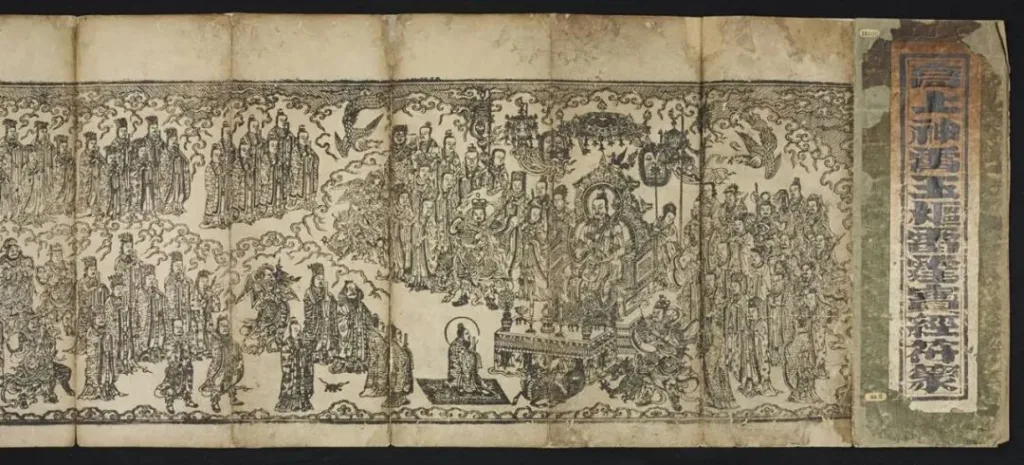
Daoist Ordination and Registers (Lu): Authority, Practice, and Spiritual Power
In Daoism, receiving a register (Lu) is not enough on its own—continuous cultivation and practice are required. A Daoist register functions like an official credential. Only after receiving a Lu does a Zhengyi Daoist gain the formal authority to summon celestial soldiers and generals, perform rituals, and act as a ritual master (Fashi).
Types of Daoist Registers
There are many kinds of Daoist registers, including:
- Taishang Sanwu Dugong Lu
- Zhengyi Mengwei Jing Lu
- Taishang Sanwu Zhengyi Mengwei Sanyuan Jiangjun Lu
- Shangqing Five Thunder Register
- Shangqing Great Cavern Five Thunder Register
These scriptures and registers record the cultivation methods and ritual laws that Daoist priests must practice and uphold.
Ordination Altars in Daoism
The place where registers are bestowed is called a ritual altar (Fatan). Daoism recognizes four major ordination altars:
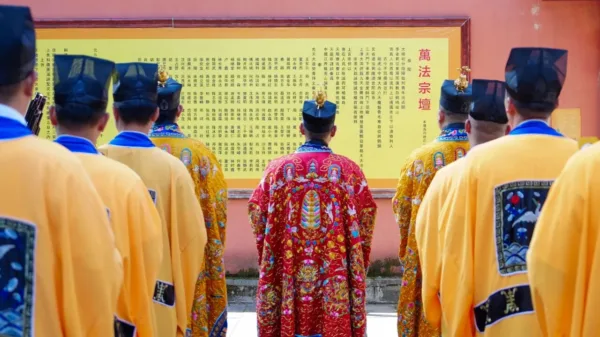
- Longhu Mountain Wanfa Zongtan
- Gezao Mountain Lingbao Altar
- Maoshan Shangqing Zongtan
- West Mountain Wanshou Palace of the Jingming School
Among them, all registers from the Three Mountains tradition are ultimately administered by the Wanfa Zongtan at Longhu Mountain, symbolizing recognition by Heaven.
Spiritual Functions of Daoist Registers
According to the Secret Registers of the Celestial Master, Daoist registers possess powerful spiritual functions. They can:
- Protect the registered Daoist
- Extend lifespan and reduce calamities
- Deliver and liberate souls of the deceased
- Relieve suffering in the underworld
- Suppress evil spirits and negative forces
Meaning of Daoist Registers
In Zhengyi Daoism, registers are not symbolic titles. They represent divine authorization, spiritual protection, moral responsibility, and the right to practice Daoist ritual arts in accordance with Heaven’s mandate.
Inner and Outer Daoist Registers (Lu): Roles and Functions
Daoist registers (Lu) are divided into inner registers and outer registers, each serving different purposes.
Outer Registers: For Laypeople and Everyday Use
Outer registers are granted to non-Daoists, including followers and the general public. Examples include:
- Child Registers — for the protection and growth of children
- Blood Lake Registers for Women — a special ritual register for female practitioners
- Pre-Cultivation Registers — offered by children or younger generations to elders to bless them with longevity, health, and peace, often used during birthdays or special prayers
- Longevity Registers — parents give these to children to ensure safety and well-being
- Wenchang Registers — for scholars seeking success in exams
- Caishen (Wealth) Registers — for business prosperity
There are also registers for the deceased, such as:
- Soul-Liberating Registers (Ba Wang Lu) — used to guide ancestral or wandering spirits, helping them ascend and avoid the suffering of hell
- Heavenly Ascension Registers — offered to departed souls by descendants to ensure safe passage to the heavens
These outer registers mainly serve worldly blessings, protection, and ancestor veneration.
Inner Registers: For Daoist Cultivation
Inner registers are reserved for Daoist priests and are used for spiritual practice and ritual mastery. These registers often compile:
- Various divine images and symbols
- Ritual prayers and incantations
- Detailed instructions for performing Daoist rites
Notable inner registers include:
- Taishang Zhengyi Sanwu Dugong Jing Lu
- Zhengyi Mengwei Jing Lu
- Shangqing Sandong Wulei Jing Lu
These registers define a Daoist priest’s ritual authority, rights, and responsibilities, allowing them to command spirits, practice Daoist arts, achieve spiritual cultivation, help others, and attain transcendence.
As the 30th Celestial Master Zhang Jixian stated in Kaifan Fayu:
“Gaining the register depends on cultivation; losing it comes from decline.”
Receiving a register is both an honor and a spiritual responsibility. It motivates, supervises, and regulates a Daoist priest’s practice, ensuring moral integrity and devotion in their cultivation path.
Daoist Registers (Lu): Sacred Treasures and Responsibilities
Daoist registers (Lu) are a precious spiritual treasure in Daoism. Once received, they must be cherished and respected, with the practitioner strictly observing the moral precepts and rituals recorded in the register, acting in accordance with the Dao and the ethical codes it prescribes.
Registers for Daoist Practice
Registers like the Taishang Sanwu Dugong Jing Lu and Taishang Zhengyi Mengwei Jing Lu are used for Daoist cultivation. These registers are officially supervised by the Chinese Daoist Association and issued by the Si Han Celestial Master Temple.
A typical register records:
- The Daoist priest’s affiliated temple or monastery
- Birth date and time
- Which Beidou (Northern Dipper) star deity oversees them
- Their connection to Qi Star deities and celestial palaces
- Who issued the register and from which sacred site (for example, Longhu Mountain Wanfa Zongtan)
- The priest’s ritual rank, responsibilities, and the celestial troops under their command
These registers also include spiritual symbols and talismans that:
- Protect and supervise the priest
- Represent authority over celestial soldiers
- Empower the priest to perform rituals, guide spirits, and fulfill duties assigned by Heaven
In essence, a Daoist register is both a credential and a spiritual tool, granting the priest authority, protection, and a structured path for spiritual cultivation and service.
Shop Our Best-Sellers Now