


What is a taoist talisman?
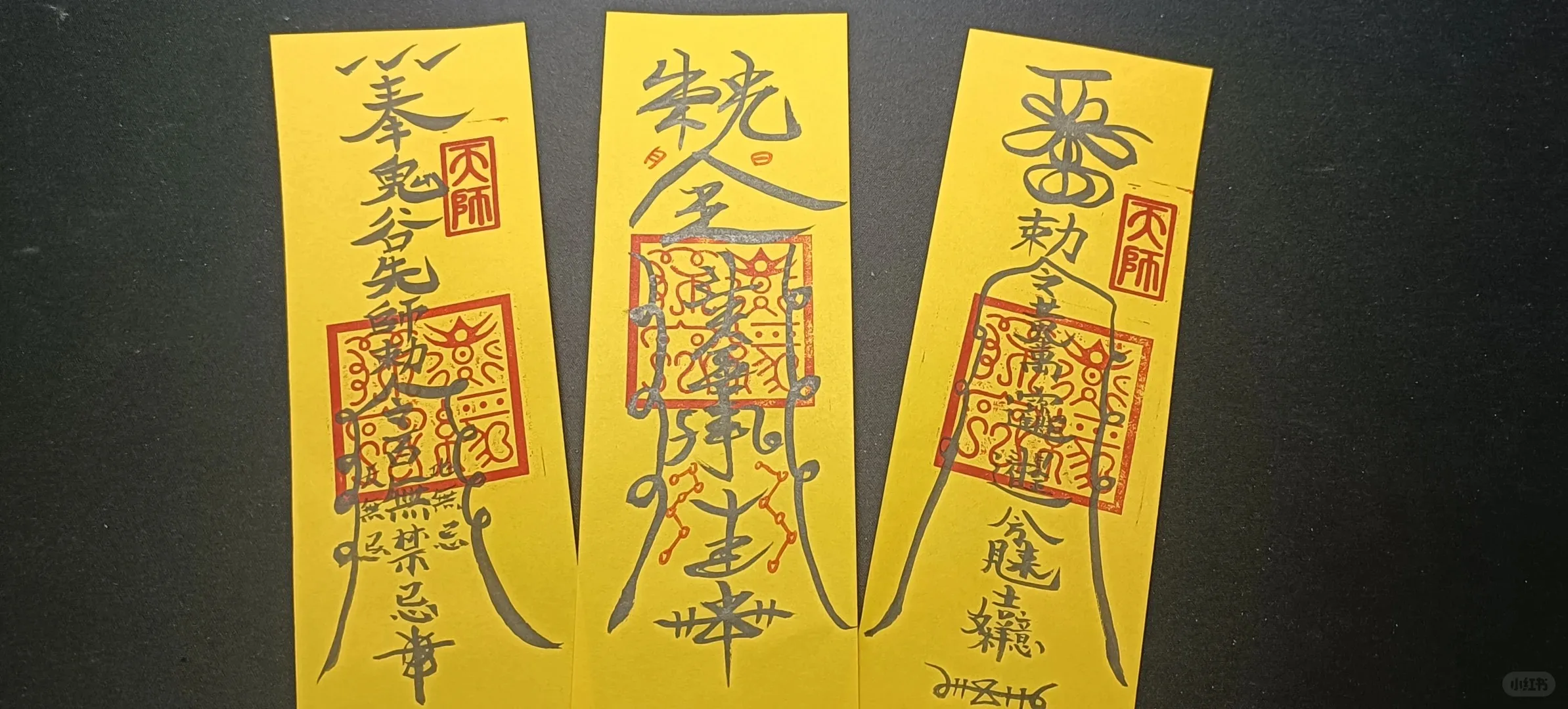
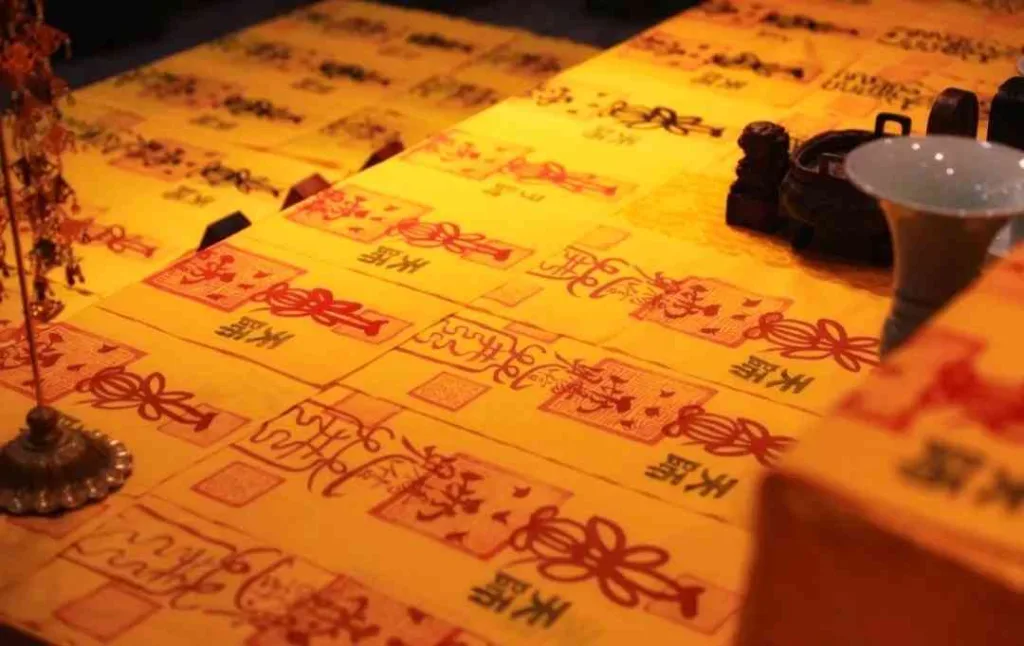
A 符咒 (fúzhòu), commonly translated as Taoist talisman or spell, is one of the five fundamental arts of Chinese Taoism—alongside Mountains, Medicine, Destiny, Physiognomy, and Divination—and specifically belongs to the Mountaineering (Shan) category. Taoist fú (符) and zhòu (咒) are powerful spiritual tools used to invoke divine, immortal, or celestial energies. They are created through a combination of characters, symbols, patterns, formulas, and gestures, aimed at connecting practitioners with the invisible spiritual realm to bestow blessings, protection, and spiritual aid.
Origin and Historical Significance of Taoist Fú (Talismans)
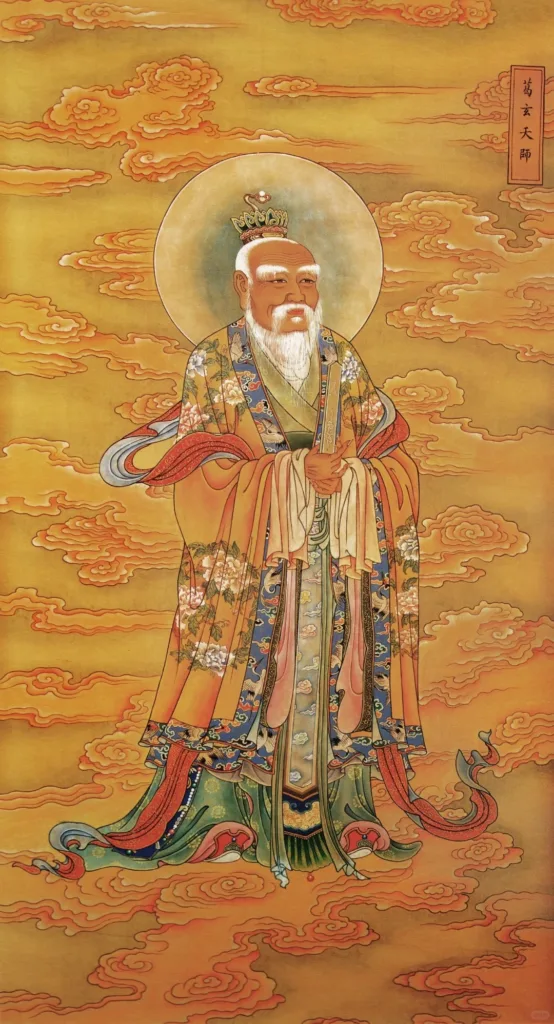
The origins of Taoist talismans trace back to ancient Chinese shamanic practices and the imperial court’s use of fú as official tokens for military or administrative commands—such as tiger talismans, military tokens, or official seals. During the Mid-Han Dynasty, legendary Taoist founder Zhang Daoling was said to have received divine instructions at Heming Mountain. At that time, demons and malicious spirits threatened humans, so Lao Jun (the Supreme Old Lord) appeared in a dream and bestowed upon Zhang Daoling the Zhengyi Alliance Talisman, along with other powerful charms like the Three or Five Severing Evil Swords and the Yangping Seal.
Zhang Daoling then established a system of twenty-four cures, spread Taoist talismans and teachings, and led households in spiritual transformation and moral cultivation. Since then, the culture of Taoist talismans has played a crucial role in Taoist religious practice, health, and protection, with a history spanning over thousands of years.
What Are Taoist Fú (Talismans)?
The Chinese character “符” (fú) historically served as a certificate or command issued by the imperial court to mobilize armies or execute orders—such as the Tiger Talisman or official tokens. In Taoism, fú refers to drawn symbols and lines crafted by Taoist priests, which serve as spiritual mediums. They are believed to have the power to:
- Invoke divine protection and blessings
- Dispel illnesses and misfortune
- Summon or command spirits and deities
- Ward off evil ghosts and demons
In essence, “fúzhòu” combines fú (符) symbols with zhòu (咒) spells, forming a comprehensive spiritual practice. It acts as a channel for Taoist practitioners to communicate with the heavens, summon divine powers from the nine heavens, and command spirits to achieve specific purposes such as curing diseases, preventing disasters, or ensuring safety. This practice is highly secretive and exclusive, often requiring rigorous ritual preparation and sincere intention.
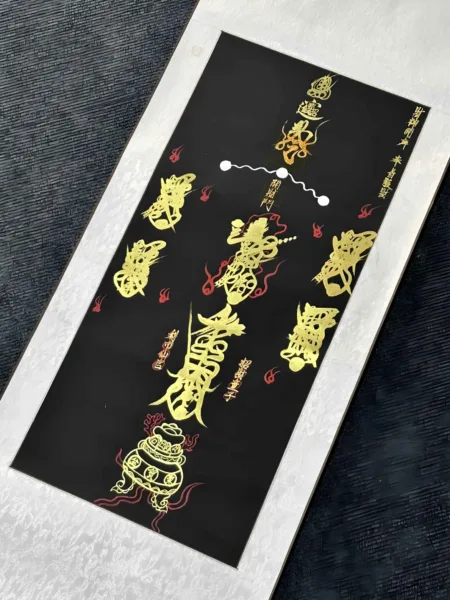
The Composition of Taoist Talismans (Fúlù)
A Taoist fúzhuàng is composed of two main parts: “符” (fú) and “箓” (lù).
- “符” (fú):
The fú is regarded as the language of immortals, embodying divine communication between heaven and earth. It contains symbols, characters, and patterns that encode cosmic and spiritual truths.
- “箓” (lù):
The lù acts as a contract or certificate that establishes a spiritual connection. It symbolizes an agreement or command issued to divine or spiritual forces, calling upon celestial generals such as Erlang Shen (Yang Jian), Nezha, or even specific spirits from the underworld or demon realm. When spirits or deities recognize the lù, they respond accordingly—either assisting or retreating based on the purpose of the talisman.
In practice, the lù functions as a token or evidence that prompts divine or spiritual assistance. For example, summoning the Six Ding or Six Jia gods depends on this recognition. The power of the lù is rooted in the practitioner’s spiritual strength, sincerity, and alignment with divine laws.
How Do Taoist Talismans Work?
Taoist fú and zhòu are more than mere symbols—they are embodiments of divine power. When properly drawn and recited, they carry the practitioner’s qi (vital energy) and jingqi (essence and energy), transforming them into potent tools for health, protection, and spiritual elevation.
Key points include:
- Authentic creation involves rituals such as bathing, fasting, and offering incense, emphasizing purity and focus.
- Powerful talismans are crafted by individuals with proper spiritual training and deep understanding of Taoist principles.
- Contemporary “masters” who casually draw symbols without understanding the underlying secrets often lack true efficacy.
The Power of Authentic Taoist Talismans
The effectiveness of Taoist talismans stems from their divine association and the genuine qi infused by the creator. These symbols act as channels that invoke divine energy, command spirits, or create protective barriers. When used correctly, they can:
- Cure illnesses
- Eliminate disasters
- Ward off evil spirits
- Bring peace, prosperity, and spiritual blessings
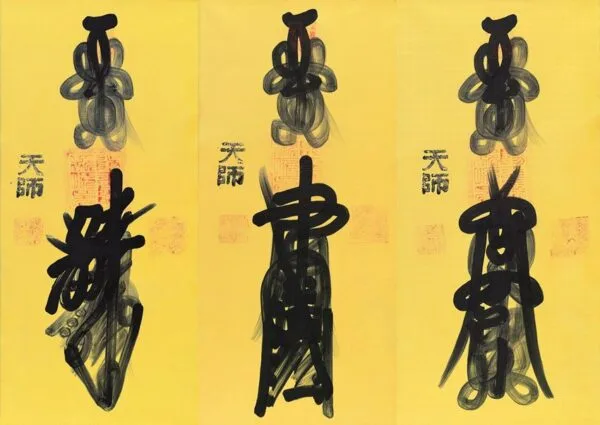
Taboos and Proper Use of Taoist Talismans
To ensure the potency and appropriateness of fúzhuàng, practitioners must observe certain taboos:
- Do not request or use talismans for harmful purposes or personal revenge.
- Keep talismans clean, dry, and protected—avoid blood, dirt, or water.
- Do not lend or disclose the existence of talismans to others, especially for love charms.
- For love-related talismans, avoid revealing them during menstruation or to anyone unworthy.
- Approach with sincerity and pure intention; disrespect or doubt diminishes efficacy.
Respect for Moral Principles
Taoist fúzhuàng are intertwined with moral virtues like loyalty, filial piety, honesty, and integrity. They are tools to support harmony with the Dao (Way) and are not magical objects for selfish gains. Misusing or abusing talismans can lead to spiritual backlash or karmic consequences.
Final Thoughts: The True Power of Taoist Fú
Taoist talismans are not mere symbols, but sacred channels that embody divine power, cosmic principles, and the practitioner’s own qi. Their true power depends on sincerity, moral integrity, and understanding of Taoist philosophy. When used with respect and proper technique, fú and zhòu can serve as powerful tools for health, protection, and spiritual growth.
Remember:
While Taoist talismans are potent, they are ultimately reflections of the practitioner’s inner virtue and alignment with the Dao. True protection and blessings come from cultivating a pure heart, practicing righteousness, and harmonizing with the natural order of the universe.
Recommendation
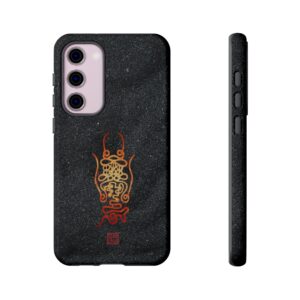
Android Phone Case Featuring Taoist Big Dipper True Lord’s Misfortune-Dispelling & Destiny-Transforming Talisman
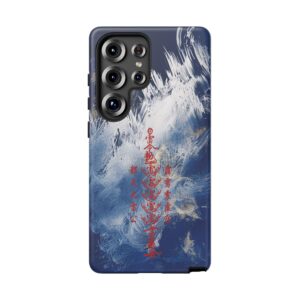
$25.75Android Phone Case Featuring Taoist Demon-Subduing Treasure Talisman
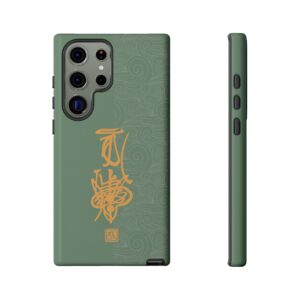
$25.75Android Phone Case Featuring Taoist Five Thunder Talisman
$25.75Android Phone Case Featuring Taoist Hundred Resolutions Calamity-Dispelling Talisman
$25.75