

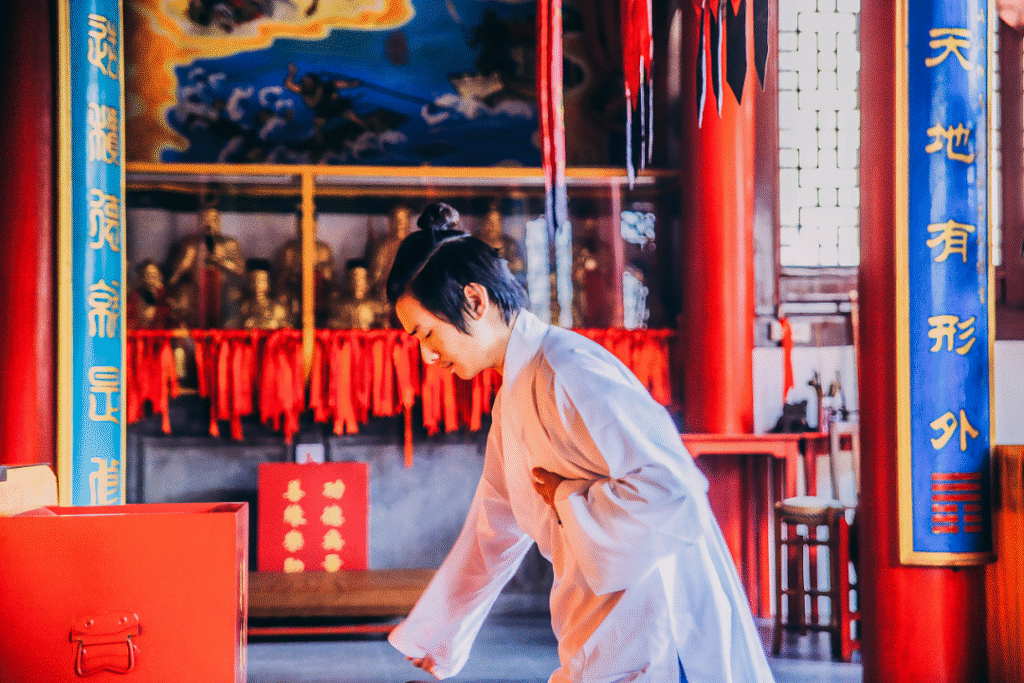
The character “神” (shen) in ancient Chinese texts carries a rich and multifaceted meaning. It encompasses supernatural powers—entities and forces that are often beyond human comprehension or control. For example, the Book of Changes (Yijing) states: “Yin and Yang are unpredictable—that is called shen,” and further explains: “Only shen—neither swift nor slow, neither proceeding nor arriving.”
The Many Faces of “Shen” in Taoism
In Taoist philosophy and cosmology, “shen” refers to a broad spectrum of spiritual concepts:
- Supernatural entities and divine spirits: Gods, immortals, and celestial beings.
- Spirits of vital energy (qi): The qi of a sage or enlightened being is called shen. Conversely, ghosts and restless spirits are also associated with shen.
- Aspiration for immortality: Those who achieve longevity or immortality are called shen. The Family Sayings (Jia Yu) state: “Those who do not eat—neither die nor become shen (divine or immortal).”
From these examples, it’s clear that “shen” embodies divine spirits, energetic essences, and human aspirations for eternal life.
The Taoist Perspective on Immortality and Divine Protection
In Taoism, aging without death is associated with becoming a xian (仙), an immortal or enlightened being.
Liu Xi, a scholar of the Han Dynasty, explains in Shiming (Explaining Names): “Xian means ‘to migrate’ or ‘to transfer’; it refers to moving into the mountains.” The character xian is constructed with the radical for mountain, symbolizing retreat into nature and spiritual cultivation.
Quotes from Ancient Taoist Masters
Ge Hong, a renowned Taoist alchemist and scholar, describes immortals:
“They nurture their bodies with medicinal substances, extend their lifespans through mystical techniques, prevent internal guilt from arising, and keep external dangers at bay. Even after long periods, they do not die, and their bodies do not age.”
Commenting on Immortals:
Zhong and Lü believed the difference between immortals and ordinary humans lies in the state of yin and yang:
- Immortals are purely yang, free of yin.
- Humans are a mixture of both.
Reflection on Modern Developments:
With advances in science and technology, many question whether gods and immortals truly exist. But the question of their existence cannot be answered solely by scientific proof. Many people lack a true understanding of what “gods” and “immortals” genuinely represent within Taoist teachings.
The Modern View of Divine Worship
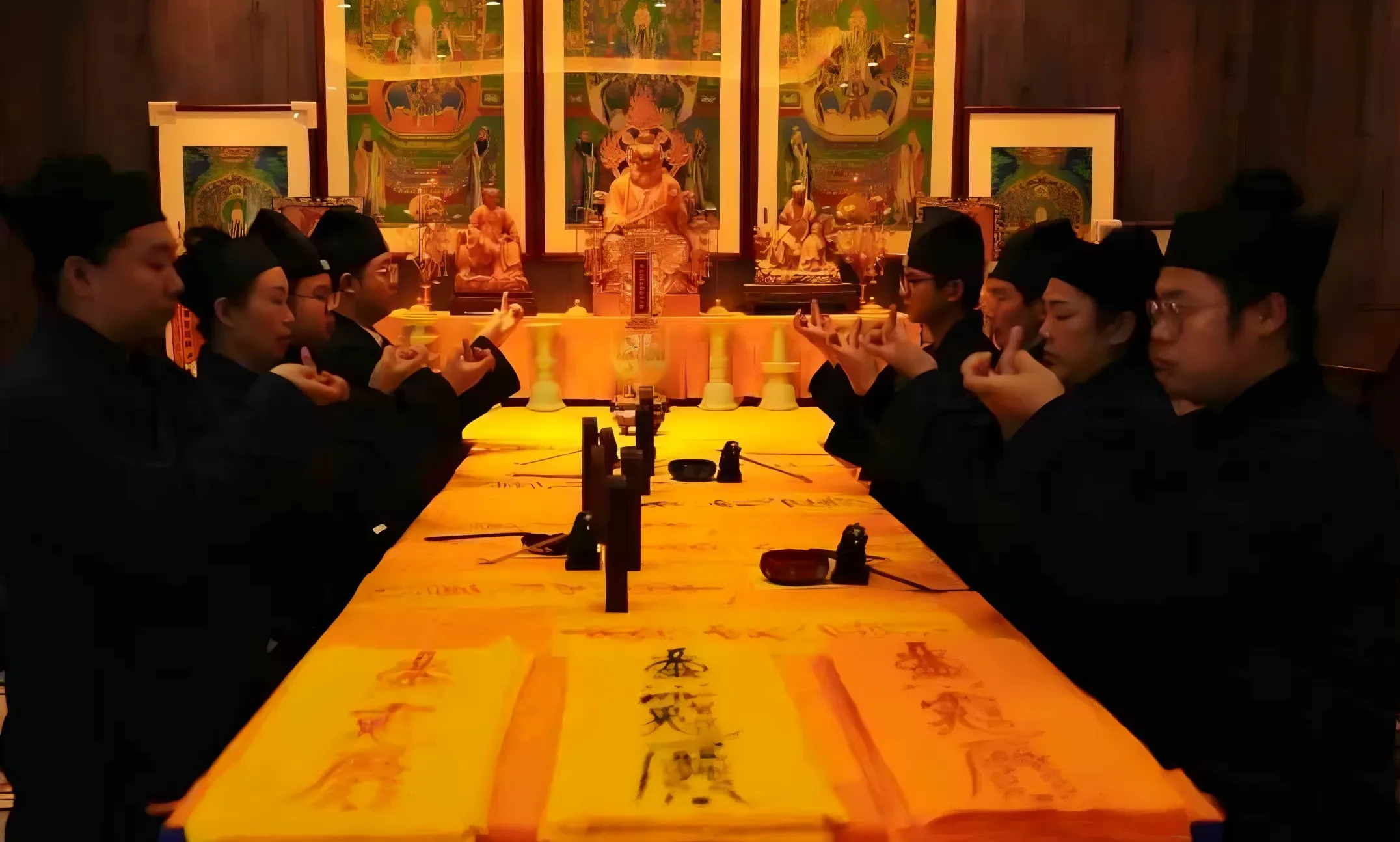
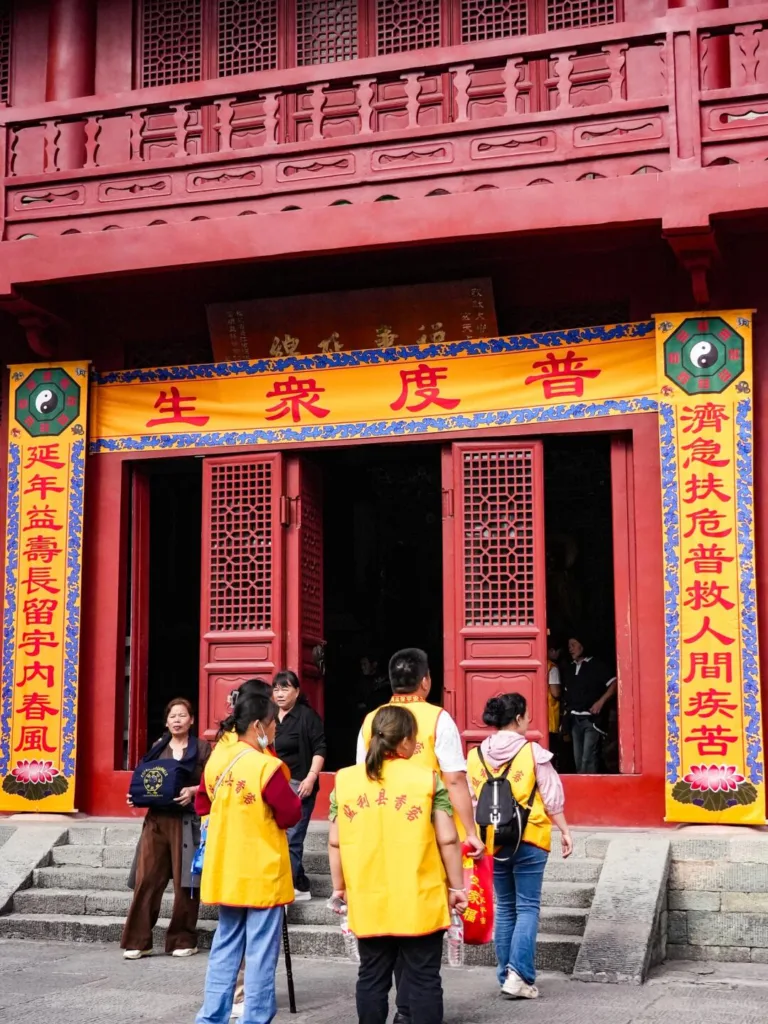
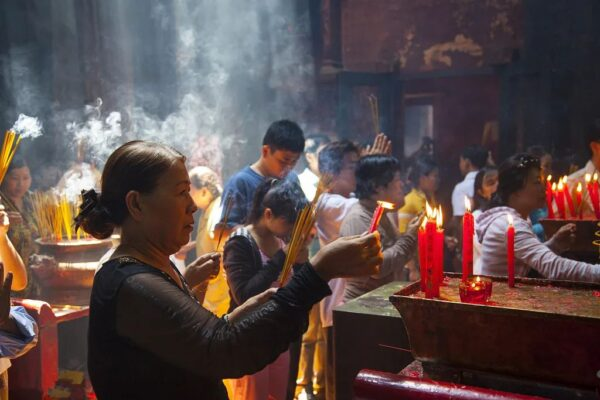
Today, Taoist temples and shrines are bustling with activity. Large banners proclaim phrases like “Answers to All Prayers” and “Divine Light Shines Everywhere.” People burn incense, offer prayers, and participate in festivals. High-quality incense can fetch astronomical prices, and believers often seek divine blessings for health, wealth, and protection.
The True Purpose of Worship and Faith
While popular culture and religious practices emphasize divine protection, the true essence of Taoist cultivation is self-redemption and inner harmony.
- Faith in Taoism is a process of self-transformation—abandoning bad habits, practicing virtue, and aligning with the Dao.
- Sincerity and purity are the keys to genuine divine protection. When the heart is sincere, and actions are virtuous, the gods truly protect.
However, many mistakenly believe that divine protection is simply a matter of rituals or offerings. In reality, true protection depends on the inner state—a heart free from greed, resentment, and attachment.
The Journey of Faith: From Belief to Realization
The path of Taoist faith involves a journey:
- Initial belief: Offerings and reverence for blessings.
- Doubt and questioning: Encountering obstacles and questioning the efficacy of divine aid.
- Active cultivation: Practicing virtue, kindness, and moral discipline.
- Inner realization: Recognizing that all phenomena are empty and that true protection comes from inner harmony and alignment with the Dao.
Letting Go for True Protection
Laozi’s words in the Dao De Jing resonate deeply:
“He who seeks does not find; he who does not seek obtains.”
The greatest divine protection is not from external gods alone, but from a mind that is empty, purified, and in harmony with the Dao. When one releases desires, attachments, and ego, divine energies naturally flow—protecting and guiding from within.
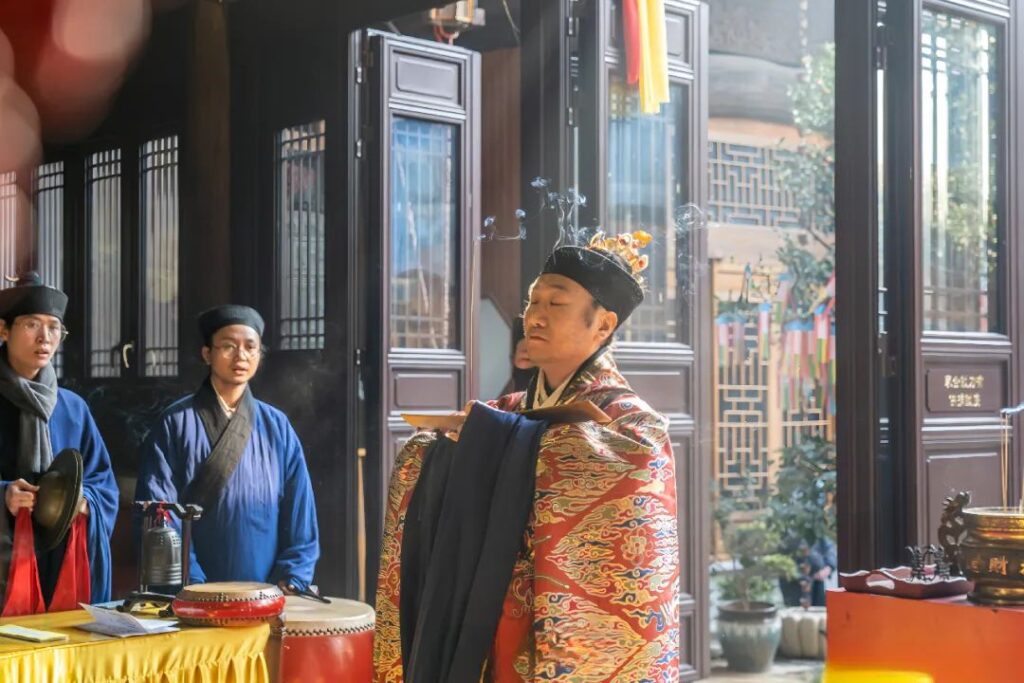
What Are True Gods and Immortals?
In Taoism, true gods and immortals are embodiments of natural virtues—truth, goodness, and beauty—and represent the highest ideals of humanity. They are not external beings to be worshiped blindly, but archetypes that inspire us to cultivate moral virtues and align ourselves with the Dao.
To learn from and emulate them, we must strive to embody these virtues ourselves, making the world a better place. This is the fundamental essence of Taoist belief: self-cultivation and inner harmony lead to genuine protection and spiritual immortality.
Recommendation
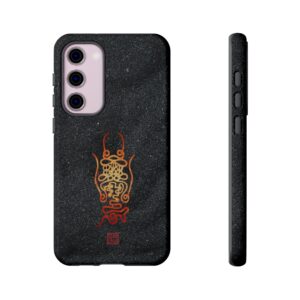
Android Phone Case Featuring Taoist Big Dipper True Lord’s Misfortune-Dispelling & Destiny-Transforming Talisman
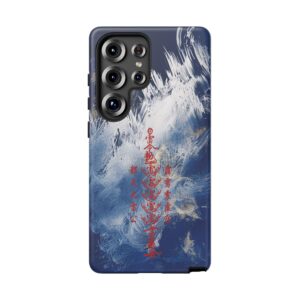
$25.75Android Phone Case Featuring Taoist Demon-Subduing Treasure Talisman
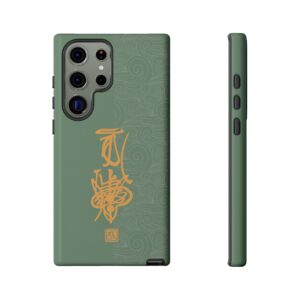
$25.75Android Phone Case Featuring Taoist Five Thunder Talisman
$25.75Android Phone Case Featuring Taoist Hundred Resolutions Calamity-Dispelling Talisman
$25.75